Won Isn’t Done: The Slow, Papery Path From a Winning Ballot Measure to Your Rent Check
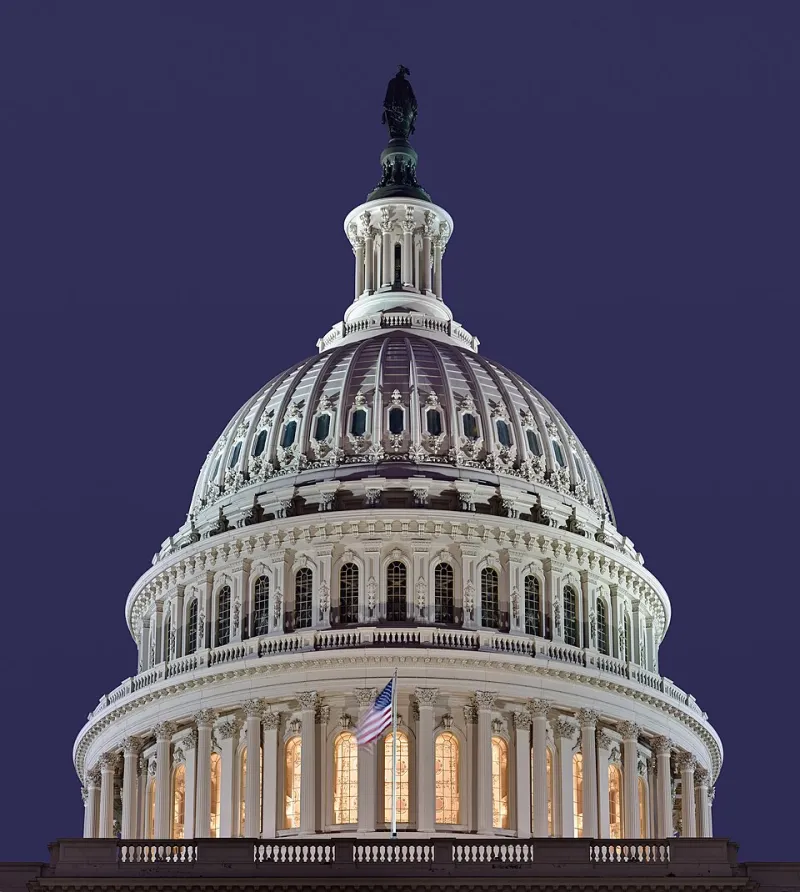
Photo: Dewees, John Michael, CC0, via Wikimedia Commons
Election night has a way of making democracy look like a finish line. The measure passes, the room erupts, somebody hugs somebody in a nice blazer, and the local news cuts to a graphic with a checkmark. Then you wake up the next morning, open your rent portal, and the number is exactly the same.
That’s not a scam. It’s just the part of the process that never gets a balloon drop.
Let’s use a made-up but very realistic example: call it Measure H, a city ballot question that caps annual rent increases. Voters approved it in November 2026. It won with 57 percent. And yet, months later, plenty of tenants will still be staring at the old number, wondering whether the whole thing was a mood board. So let’s walk the paper trail.
First, the win is not official yet
When you see a race called on TV, what you’re really seeing is a forecast. The actual result gets locked in through a canvass — a process where election officials count provisional ballots, check signatures, reconcile totals, and generally do the unglamorous bookkeeping that makes the whole thing legal.
Depending on where you live, that takes days or weeks. Then comes certification, which is exactly what it sounds like: a board or official signs off and says this is the official result. Until that happens, the measure is a very popular draft.
This is also when the recount math gets real. A close measure can get pulled into a recount, and in some states a losing side can request one. Nobody puts that on a campaign mailer, but it’s part of the timeline.
The effective date is a suggestion, not a switch
Here’s the thing that trips people up: even after certification, many ballot measures don’t take effect immediately. Some city charters say 30 days after certification. Some say 60. Some say the first day of the next fiscal quarter, which is the municipal equivalent of “we’ll get to it after the holidays.”
And even when a measure says it takes effect on a certain date, that usually means the law now exists — not that every rule, form, and enforcement mechanism is ready to go. Think of it like a new restaurant that opens before the menu is printed. The doors are unlocked. The kitchen is still figuring out the fryer.
From ballot text to an actual rulebook
Ballot measures are written to be read by voters, which is a nice idea and a terrible instruction manual. Something like “limit annual rent increases to 3 percent plus inflation” sounds clean until a city attorney has to answer: Which inflation index? Measured when? What counts as rent — parking? Pet fees? The utility surcharge your landlord calls a “community amenity fee” because he went to a branding workshop?
That’s where the implementing ordinance comes in. City staff draft the actual rules, definitions, exemptions, and penalties. A housing department or rent board writes regulations. A city attorney reviews for legal exposure. Somebody has to build a complaint form that doesn’t crash.
This is also where a measure can quietly get softer or sharper than voters expected. A definition here, a hardship exemption there, and suddenly the thing you voted for has a few new paragraphs attached.
The hearings nobody puts on a yard sign
None of this happens in a vacuum. There are public meetings — usually several — where staff present draft rules and residents get three minutes at a microphone to say what they think.
These hearings are where the real fight moves. Landlord groups show up with lawyers and spreadsheets. Tenant groups show up with testimony. Somebody brings a printed email chain. A council member asks a question that reveals they have not read the memo.
If you care about how a measure gets implemented, this is your moment. Not the campaign. The comment period. The boring Tuesday night meeting with the bad parking and the agenda packet that’s 214 pages long.
Lawsuits, the great pause button
Even a certified, well-drafted measure can get yanked into court. Opponents sue. A judge issues a temporary hold. Now the law exists on paper but not in practice, and everyone waits for a ruling that may take months.
This is not unusual. It’s practically a standard feature of big ballot measures. So when someone tells you a measure is “in effect,” ask a follow-up: in effect according to whom, and has anybody filed a complaint about it yet?
Budgets are where promises take a number
A measure can require a new office, a new enforcement team, or a new database. That costs money. And money means the appropriations process — the annual ritual where councils decide what actually gets funded.
A rent board with no staff is a website with a phone number nobody answers. A complaint system with two investigators for a city of 400,000 is a very polite suggestion. Implementation is where a popular idea meets a staffing chart, and the staffing chart usually wins the first round.
What you can actually do about it
You can track the measure. Most cities post implementation timelines, draft ordinances, and hearing notices on their website — usually buried under a department page with a name like “Housing Stability and Community Investment.” Bookmark it. Set a calendar alert for the next public hearing.
You can also read the staff report before the meeting. It’s long, but the first three pages usually tell you what’s actually being decided. And if the rules don’t match what you thought you voted for, say so in public comment. That’s not a waste of a Tuesday night. That’s the part of the process that decides what the win actually means.
The short version
A ballot measure is a permission slip, not a light switch. Between the checkmark and your rent check, there’s a canvass, a certification, an effective date, a drafting process, a hearing schedule, a legal challenge or two, and a budget line. It’s slow. It’s papery. It’s exactly how it’s supposed to work — even if nobody makes a T-shirt about it.
So if the measure passed and your rent didn’t change yet, don’t assume you got played. Assume you’re in the middle of the boring part. The boring part is where the law actually happens.