Blame the Horses: The 180-Year-Old Reason Your Election Day Is on a Tuesday
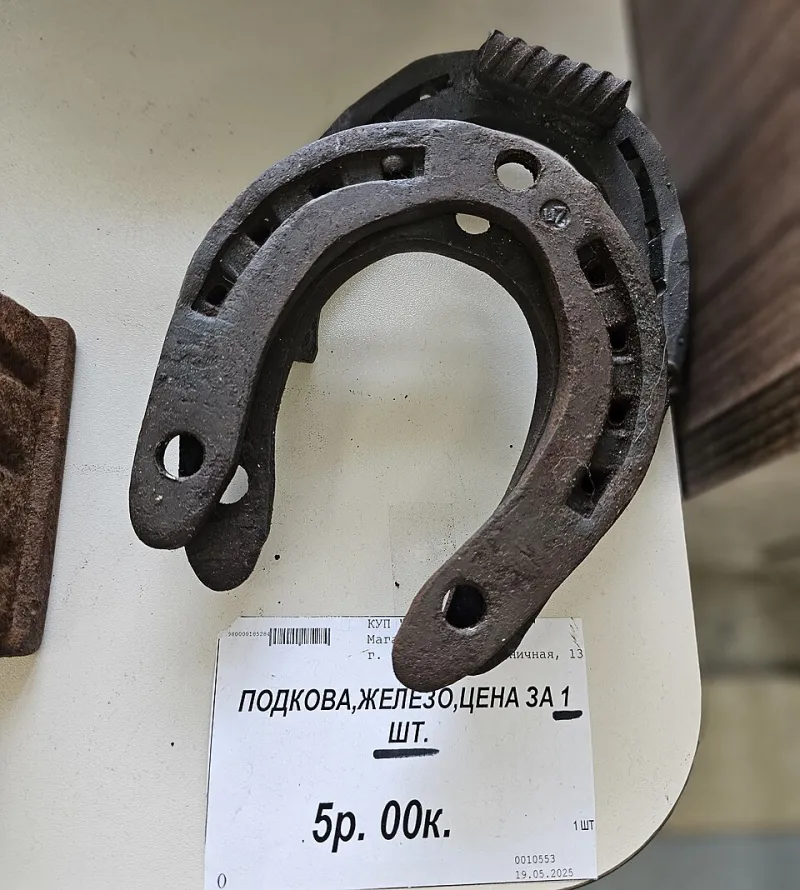
Photo: Tess Mattew, CC0, via Wikimedia Commons
Picture this: it's the first Tuesday after the first Monday in November. You've got a job, maybe kids to drop off, a commute that already ate your morning. And somewhere in that chaos, you're expected to make it to a polling place before it closes at 7 p.m.
If that sounds like a badly designed calendar event, congratulations — you've noticed something Congress has been arguing about for over a century.
So Why Tuesday, Exactly?
Here's the fun part: the answer has everything to do with agriculture and almost nothing to do with modern life.
Back in 1845, when Congress standardized the date for presidential elections, America was a nation of farmers. November worked because the harvest was done but the deep winter cold hadn't arrived yet. Tuesday, oddly enough, was the compromise of the buggy era.
See, most Americans lived far from their county seat, where voting happened. Traveling on Sunday was out of the question — that was church day. So folks would leave Monday after church services, ride their horse or wagon to town, vote Tuesday, and head home before market day on Wednesday. Tuesday was literally the only day that fit into the rhythm of a horse-and-buggy weekend.
That's it. That's the whole logic. The most consequential date on the American political calendar was scheduled around livestock travel times.
Other Countries Look at Us Like We're Strange
Here's a stat that comes up in basically every conversation about election reform: the U.S. is one of the few democracies that votes on a weekday that isn't a national holiday.
France holds its elections on Sundays. So do Canada, Australia, Germany, and a long list of others. The logic is pretty simple — make voting easy to reach and more people vote.
The U.S. took a different path. Instead of a day off, we got a patchwork: some states let you vote early for weeks, some have same-day registration, some mail every voter a ballot automatically, and others still make you show up in person on the day itself with an accepted form of ID. Depending on where you live, voting is either a breeze or a small errand with stakes attached.
So Why Hasn't It Changed?
If the whole thing is an outdated relic, fixing it should be easy, right? Not quite. Reform proposals — making Election Day a federal holiday, expanding early voting nationwide, moving to a weekend — pop up in Congress regularly. And regularly, they stall out.
The reasons depend on who you ask, and honestly, both camps have a point worth hearing.
Supporters of the current setup argue that expanded early voting already solves the problem, that a federal holiday would cost businesses billions in lost productivity, and that a big-bang change to how we run elections invites new confusion and litigation.
Reformers counter that the people most squeezed by a Tuesday vote shift — hourly workers, parents juggling childcare, folks with long commutes — are exactly the people least likely to have a flexible schedule. In other words, the current date quietly filters who shows up.
And that's where the 'who benefits' question gets uncomfortable. Neither party openly defends Tuesday because it suppresses turnout. But both parties have built get-out-the-vote machines around the current rules, and any change reshuffles those calculations. When you're used to winning under one set of rules, rewriting the rulebook is never appealing — even if the rulebook was written for people with horses.
The Bottom Line
Election Day on a Tuesday isn't a conspiracy. It's something arguably worse: a habit. It stuck around because changing it requires Congress to agree on something, and because the people it inconveniences the most have the least time to lobby about it.
So next November, when you're checking the clock at work and calculating whether you can make it to the polls before closing, take a second to appreciate the absurdity. You're participating in a tradition designed around the travel schedule of a 19th-century farmer's horse.
The horse didn't get a vote. Make sure you do.