Your State Capitol Is Busier Than You Think: 5 New Laws That'll Actually Show Up in Your Life

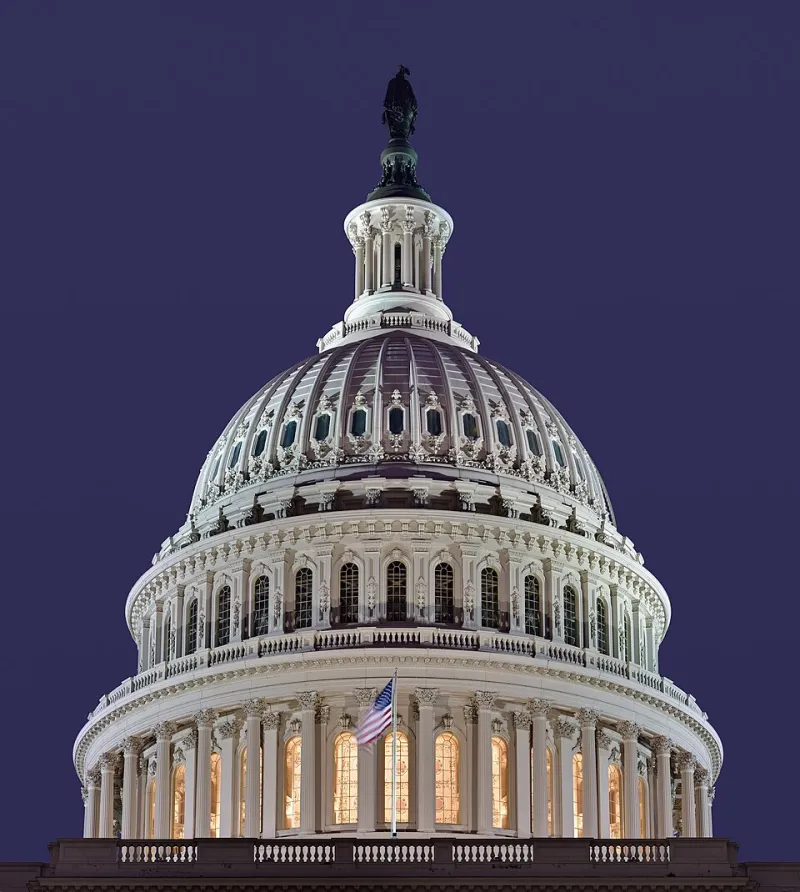
Photo: DXR, CC BY-SA 4.0, via Wikimedia Commons
Washington gets all the attention, but here's the thing: the laws most likely to change your Tuesday are the ones passed a few miles from your house. State legislatures have been busy, and a bunch of what they've cooked up is flying completely under the radar.
We pulled together five examples of the kind of state-level legislation that's rolling out across the country. Not every law below applies everywhere — but chances are, at least one of them is coming to a state near you, if it hasn't already arrived.
1. Your Data Gets a Little More Protected
A growing stack of states — California, Texas, Oregon, and others in between — have privacy laws on the books that give you real leverage over the information companies collect about you. In plain terms: you can ask a company what data it has on you, request a copy, tell it to delete the whole file, and opt out of having your info sold to brokers.
Who it affects: Basically anyone with a smartphone, which is to say, everyone. If you've ever wondered why an ad for the exact shoes you mentioned out loud showed up an hour later, these laws are the beginning of a pushback.
How to prepare: Look for a "Privacy Request" or "Do Not Sell My Info" link on websites you use — it's often buried in the footer. It takes five minutes and actually works in states with enforcement behind it.
2. Rent Rules Are Shifting
Housing costs are the number-one kitchen-table issue in most states, and legislatures are responding — just not in one direction. Some states have expanded or created security deposit caps, limiting how much landlords can demand upfront. Others have passed good-cause eviction standards, meaning a landlord needs a legitimate reason to end a lease rather than simply letting it lapse.
At the same time, a handful of states have moved the opposite way, preempting cities from setting their own rent control rules. So the map looks like a patchwork — which is exactly why it pays to know where your state landed.
Who it affects: Renters, obviously, but also small landlords navigating new compliance rules.
How to prepare: If you're renting, check whether your state updated deposit limits or notice requirements before you sign your next lease. A quick search of your state legislature's site (or your attorney general's consumer page) usually does it.
3. Pay Transparency Is Going Mainstream
A number of states now require employers to post salary ranges in job listings. Not suggestions — actual ranges. The idea is simple: if everyone can see what a role pays, the negotiation starts on more even footing.
Who it affects: Job seekers the most, but current employees benefit too, since posted ranges tend to raise the floor across the board.
How to prepare: If you're job hunting, you can now screen listings before applying — if a posting in a transparency state doesn't show a range, that's worth noting. And if you're happy where you are, peek at posted ranges in your field anyway. It's free market research.
4. Paid Leave Expansions Keep Rolling
Several states have launched or expanded paid family and medical leave programs, funded through small payroll contributions. Depending on where you live, you may now be entitled to paid time to bond with a new child, recover from a serious illness, or care for a sick family member — without draining your savings.
Who it affects: Workers at companies of every size, including part-timers in some states, which is a real shift from the old system where leave was a perk for salaried employees at big firms.
How to prepare: Don't assume your HR department knows the details. State-run programs usually have their own websites with claim instructions, benefit calculators, and eligibility rules. Bookmark yours before you actually need it.
5. Grocery Tax Cuts and Fee Eliminations
With state budgets flush in recent years, a bunch of legislatures went after the small stuff: cutting taxes on groceries, eliminating fees on things like hunting licenses or car registrations, or sending rebate checks directly to residents. Individually these are small. Add them up over a year and it's a real dent.
Who it affects: Everyone, but especially households where a few hundred dollars a year genuinely matters.
How to prepare: Check your state's department of revenue site for rebate programs — many require you to file a claim, and an alarming number of people leave that money on the table every year.
The Bottom Line
The states have always been, in the old phrase, "laboratories of democracy." What's different now is speed — and how little attention most of us pay until a new rule is already on our doorstep.
You don't need to read legislative journals over coffee. But ten minutes checking what your state legislature passed this session might save you money, protect your data, or land you a better paycheck. That's a better return than most things you could do with ten minutes.