Three Price Tags, Three Different Puppet Strings: Who's Actually Setting What You Pay
Photo: Grandmaster Huon, Public domain, via Wikimedia Commons
Prices feel like weather. They just... happen, and we complain about them. But here's the thing: almost every price you pay was set, shaped, or green-lit by somebody — and the somebodies are different depending on what you're buying.
So let's play a little game. Three price tags, three totally different chains of command. By the end, you'll know exactly who to blame, who to thank, and who to vote for (or against).
Price Tag #1: The Stamp — Congress, Basically
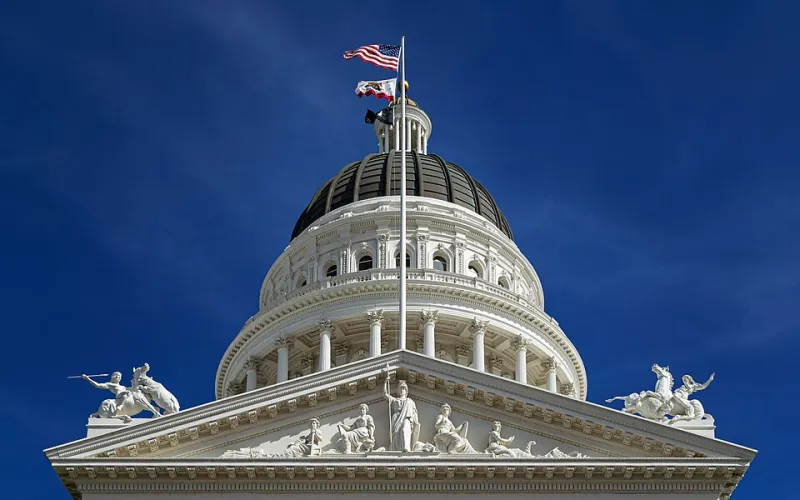
First-class postage is one of the few prices in America that a literal act of Congress can touch. The U.S. Postal Service sets its own rates these days through its Board of Governors, but Congress writes the laws that define what the USPS is allowed to do — including the infamous 2006 requirement that it pre-fund retiree health benefits decades in advance, which critics say squeezed the agency's finances for years.
Here's the kicker: the Postal Board of Governors is appointed by the president and confirmed by the Senate. So when your Forever Stamp creeps up another few cents, the trail leads back to people in Washington — the ones you vote for every two and six years.
Your leverage: federal elections. Senators especially, since they confirm the board.
Price Tag #2: The Loaf of Bread — Nobody, and Everybody
Now things get murky. Nobody votes on bread prices. There's no Bread Commission. The cost of that loaf is a swirling mix of:
- Global commodity markets — wheat is traded worldwide, and a drought in Canada or a war in a major grain-exporting region ripples straight to your grocery aisle.
- Federal policy — farm subsidies, crop insurance, ethanol mandates, and tariffs all nudge input costs.
- The Federal Reserve — not a price-setter, but its interest rate decisions affect everything from the cost of the bakery's loan to the truck that delivers the bread.
- Consolidation — when a handful of companies control most of the flour milling or food retail, pricing power concentrates fast.
This is the price tag with the most puppet strings and the fewest you can directly grab. But note: the Fed chair is nominated by the president, and Congress oversees trade and farm policy. The levers are far away, but they're not imaginary.
Your leverage: indirect, but real. Tariffs and farm bills are legislation. You can read the roll call votes.
Price Tag #3: The Electric Bill — Your State Capital, Very Concretely
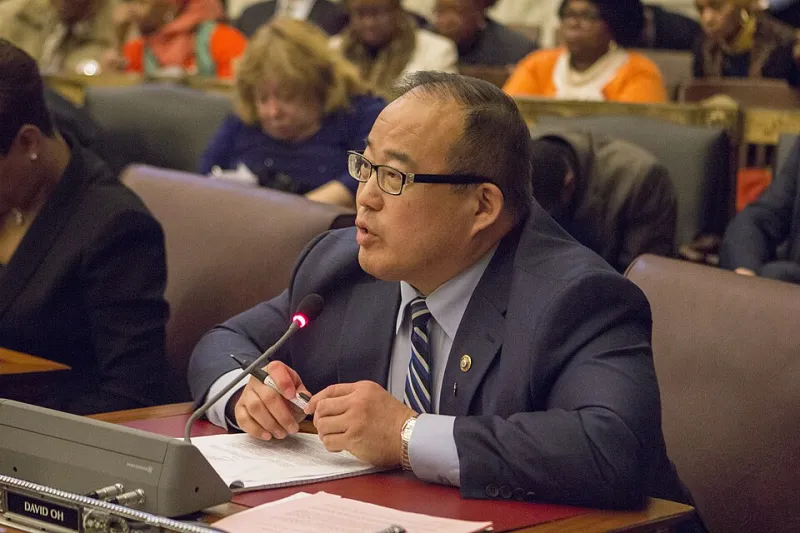
Now for the one where your vote punches hardest. Electricity is a regulated utility, which means its rates are literally approved by a state body — usually called the Public Utility Commission or Public Service Commission.
When your utility wants to raise rates or build a new power plant, it files a case, and the commission decides how much of that cost you'll swallow. These hearings are open to the public. Regular people — and consumer advocacy groups — show up and testify.
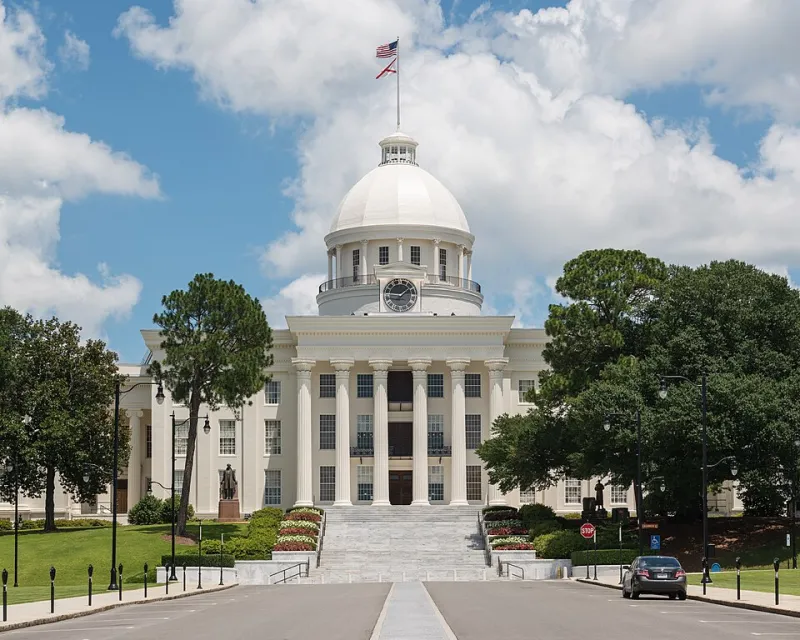
Here's the civics plot twist: in many states, utility commissioners are elected. In others, they're appointed by the governor or legislature. Either way, they're far more reachable than a federal agency, and state attorneys general often get a say in utility mergers too.
Your leverage: huge. Governor's races, state legislative races, and in some states the commission seats themselves. This is the most vote-accessible price in America.
The Cheat Sheet: Who Answers to You
Quick rundown before you go:
- Postage: President appoints, Senate confirms the Postal Board → vote federal.
- Groceries: Markets, the Fed, trade policy, and consolidation → vote federal, and watch antitrust enforcement.
- Electricity: State utility commissions and governors → vote state, and show up to public comment hearings. Seriously, people do it.
The Bottom Line
The next time a bill makes you do a double-take at the kitchen table, don't just mutter at the envelope. Ask the question this exercise taught us: who signed off on this number? Sometimes the answer is a boardroom in another hemisphere. Sometimes it's a hearing room twenty minutes from your house with an empty public-comment sign-up sheet.
One of those is easier to change than the other. Start there.